Discovering the Benefits of Purchasing Water Technology Startups for a Greener Future
Buying water Technology start-ups offers a strategic chance in the middle of escalating worldwide water deficiency. These ventures are developing innovative remedies that deal with critical ecological difficulties. As demand for sustainable water management expands, financiers may locate both financial gains and a possibility to add to public wellness. Recognizing the nuances of this market might expose paths to impactful financial investments. What variables should capitalists take into consideration to make the most of both their returns and their favorable impact?
The Growing Need for Sustainable Water Solutions
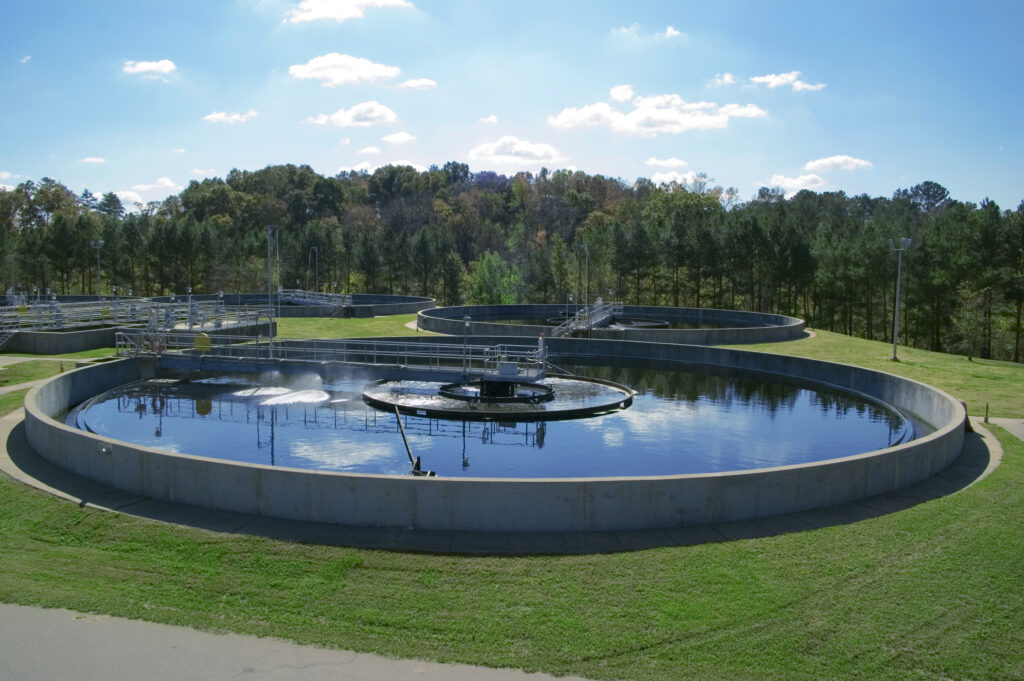
The increasing international population and shifting environment patterns have actually led to a significant surge in the demand for lasting water solutions. As metropolitan centers broaden and farming needs expand, challenges associated to water shortage and top quality have actually come to be more noticable. Communities are facing the dual stress of guaranteeing sufficient water supply while also attending to ecological concerns such as pollution and over-extraction of sources.
Companies and federal governments are increasingly identifying the need for innovative methods to water administration, concentrating on sustainability as a core principle. This has motivated investments in initiatives that promote water conservation, reusing, and reliable distribution systems. Furthermore, public recognition around the relevance of protecting water resources has expanded, driving customer preferences towards sustainable methods. As a result, this progressing landscape presents countless possibilities for startups that can offer reliable, scalable services to fulfill the immediate international demand for reliable and lasting water administration.
Innovative Technologies Reshaping Water Management
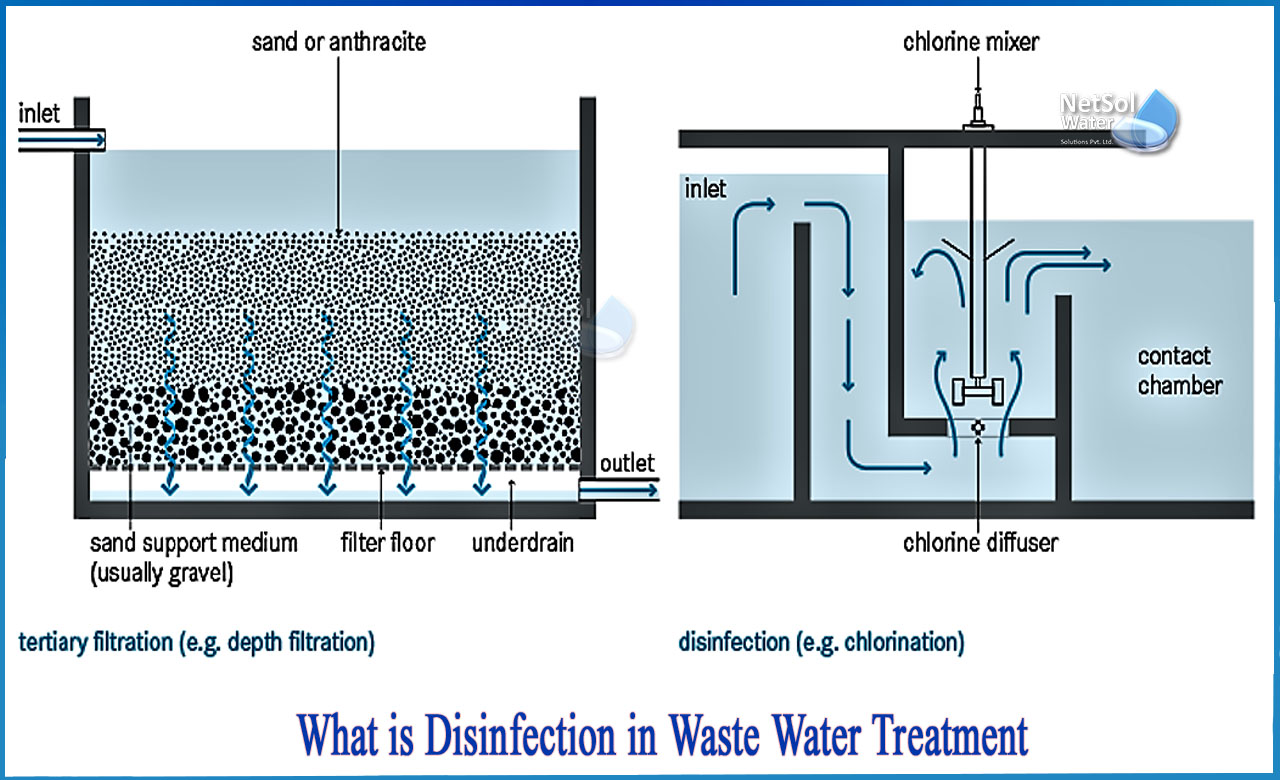
Fabricated knowledge is additionally playing an important duty, predicting water demand patterns and recognizing leakages in city framework. Additionally, decentralized water therapy systems empower areas to manage their own sources sustainably. These modern technologies not just assure to boost efficiency and reduce expenses but also contribute significantly to environmental conservation efforts. By embracing these innovative options, societies can move towards even more sustainable water management practices, ensuring the accessibility of this valuable resource for future generations.
Financial Potential in the Water Tech Market
While global water scarcity magnifies, the financial capacity in the water Technology market is gaining substantial attention from investors. With an enhancing need for sustainable remedies, the sector provides profitable possibilities across different segments, including water purification, desalination, and efficient watering systems. Analysts predict increased growth, estimating the market might reach billions in profits within the following years.
Investor passion is more fueled by governmental support and global initiatives focused on tackling water-related obstacles. Water Technology Startups. Investor are increasingly targeting startups that introduce in water management innovations, identifying the twin capacity for profit and societal effect. As standard industries develop, the water technology market is positioned to bring in varied funding resources, from personal equity to public investments

Environmental Effect and Social Duty
Investors progressively identify the environmental impact and social obligation connected with water Technology startups. These endeavors play an important role in resolving pressing global water concerns, such as deficiency, air pollution, and ineffective usage. By establishing cutting-edge services, such as advanced filtration systems and sustainable water monitoring techniques, these start-ups contribute to cleaner water gain access to and improved source preservation.
The social responsibility facet of these investments is significant; several water Technology startups focus on underserved communities, supplying important resources that improve public health and high quality of life. Capitalists are inspired not just by possible economic returns but also by the desire to promote sustainable practices and assistance neighborhoods in requirement. This twin concentrate on social and ecological results straightens with wider patterns in honest investing, making water Technology startups eye-catching alternatives for those seeking to make a positive difference while also generating economic worth.
Strategies for Recognizing Promising Water Startups
Just how can one successfully determine promising water startups in a rapidly evolving market? Capitalists should start by evaluating market trends and technological improvements within the water market. Carrying out thorough study on emerging technologies, such as water purification technologies and smart watering systems, can highlight start-ups positioned for development. Engaging with market experts and going to pertinent seminars supplies important insights into which business are obtaining traction.
Furthermore, evaluating a start-up's business model and scalability is important. Investors must analyze the group's competence, product stability, and consumer comments to examine possible success. Surveillance funding rounds and partnerships can also suggest a start-up's market setting and investor confidence. Lastly, leveraging networks within the sustainability and financial backing areas promotes links that disclose encouraging chances. By employing these strategies, financiers can effectively browse the affordable landscape of water Technology startups.
Often Asked Questions
What Are the Trick Threats Connected With Spending in Water Technology Startups?
Secret dangers related to investing in water Technology start-ups include governing obstacles, market competition, technological expediency, monetary instability, and potential ecological effects. These elements can substantially influence the start-up's success and roi.
How Can Individual Investors Participate in Water Technology Investments?
Specific investors can get involved in water Technology investments by signing up with crowdfunding systems, buying shares in openly traded companies, or buying venture resources funds concentrated on sustainable water options, consequently supporting advancement in the sector. - Water Technology Startups
What Governing Obstacles Do Water Technology Startups Face?
Water Technology startups usually come across regulative obstacles such as compliance with ecological requirements, securing permits, maneuvering through complicated regulation, and dealing with extensive authorization procedures, which can prevent development and delay product deployment out there.
Just How Do Water Start-ups Measure Their Environmental Influence?
Water start-ups determine their ecological effect with metrics such as water financial savings, pollution decrease, and power performance. They often utilize life cycle assessments and keeping an eye on innovations to evaluate and report their payments to sustainability efforts.
What Duty Do Collaborations Play in the Success of Water Technology Startups?
Collaborations considerably boost the success of water tech startups by offering accessibility to resources, knowledge, and networks. Partnerships with established firms and study establishments can increase advancement, boost market reach, and foster lasting development.
Investing in water Technology startups offers a strategic chance among escalating global water shortage. As worldwide water monitoring encounters unmatched difficulties, innovative modern technologies are arising to transform exactly how water sources are utilized and protected. Advanced data analytics and IoT tools are boosting water surveillance systems, enabling for real-time monitoring of water top quality and usage. While worldwide water scarcity heightens, the monetary capacity in the water Technology market is gaining considerable focus from investors. Water start-ups gauge their environmental impact through metrics such as water cost savings, contamination reduction, more info and energy performance.